Contact Us

Please feel free to get in touch to ask a question, schedule an appointment or give us your feedback. We look forward to hearing from you. 

17 Divinity St
Bristol, CT, 06010
United States

8605895155

Since 1975, O'Donnell Bros has been providing greater Bristol and Central Connecticut with residential and commercial remodeling solutions. We specialize in roofing, siding, windows, doors, gutters, downspouts and so much more. We look forward to helping you with all your remodeling needs. 

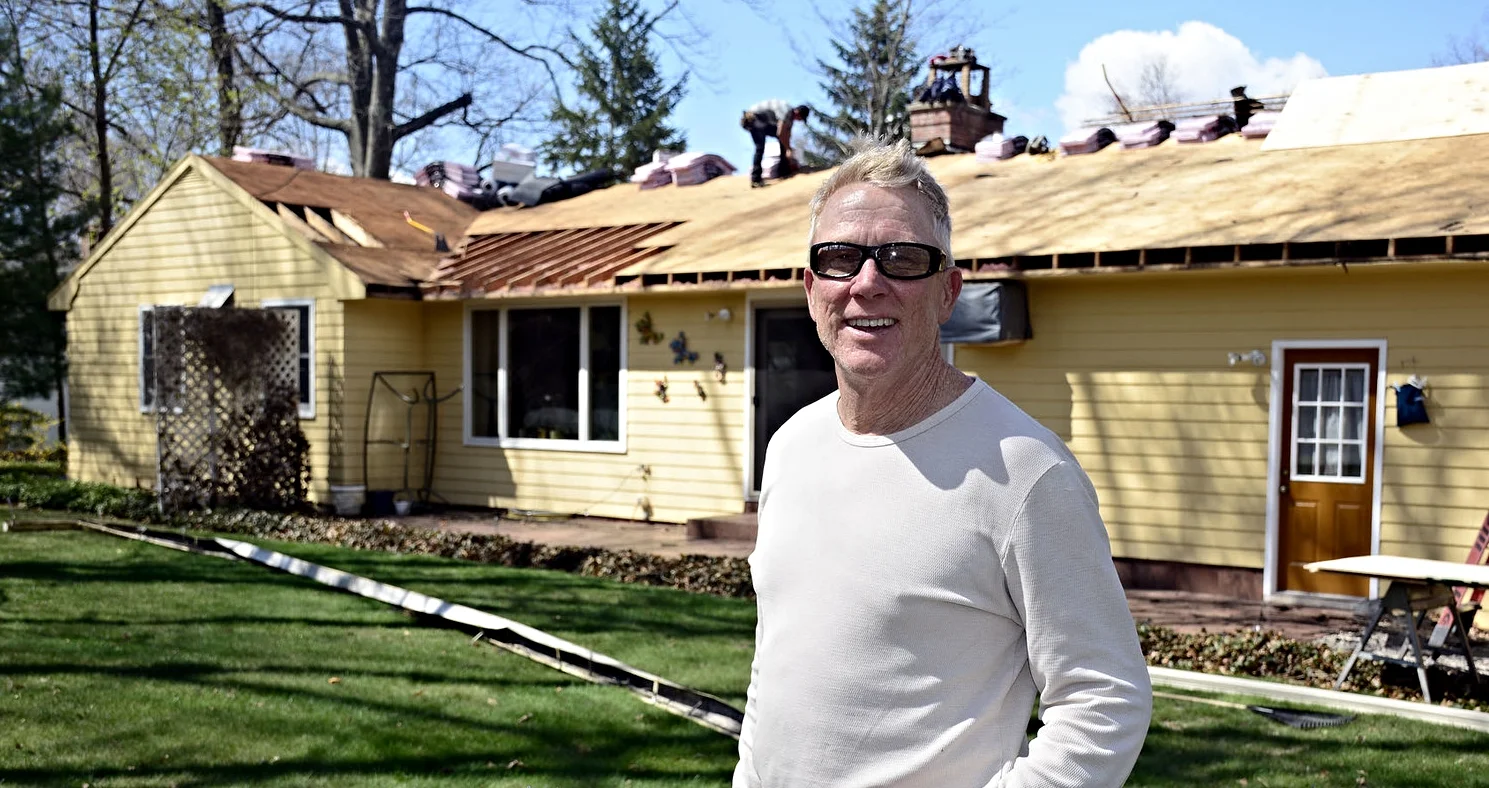
HomeImprovement-PT-050114_9032 (1).jpg

Articles

O'Donnell Bros President, Bob O'Donnell, is a regular contributor to The Bristol Press. Read his home improvement articles here.


Filtering by Tag: wet

Painting Over Mold? The Truth About ‘Quick Fixes’

Chelsea O'Donnell

Mold is unsightly, and I understand that nobody wants to stare at a dark, blotchy patch on their bathroom ceiling or basement wall. Sure, a quick coat of paint seems like an easy way to make the problem disappear. But here’s the thing about “quick fixes”: they’re rarely fixes at all. Especially when it comes to mold.

Painting over mold is one of those home myths that just won’t die. It looks better for a little while, sure. But underneath that shiny new layer of paint, the problem is still there and it’s growing, spreading, and getting ready to bubble its way back to the surface.

Let’s talk about why this happens, what it means for your home, and the right way to deal with it (so you’re not repainting again next month).

Why Paint and Mold Don’t Mix

Mold is a living organism, not a stain. It feeds on organic material like drywall paper, wood, dust, and anything else it can digest. It also thrives in damp, humid environments. When you paint over mold, you’re basically trapping that living organism under a layer of latex and giving it a warm, dark place to multiply.

Even paints labeled as “mold-resistant” don’t kill existing mold; they simply make it harder for new spores to take hold. Think of them as preventive, not curative. Once mold has already started to grow, those spores will continue doing what they do best - eating, spreading, and eventually breaking through the surface again.

That’s why the dark spots you “covered up” always seem to come back, no matter how many coats you roll on. You didn’t solve the problem. You just hid it temporarily.

The Real Risk Isn’t Just Cosmetic

Mold isn’t just an eyesore. Prolonged exposure to mold spores can aggravate allergies, trigger asthma, and cause respiratory irritation, especially in kids, older adults, and anyone with a compromised immune system. Even if your home’s air feels fine, hidden mold can create ongoing air quality problems that only get worse over time. And if it spreads into insulation, behind drywall, or under flooring, you’re looking at a much bigger repair bill later.

So no, it’s not “just a little spot.” It’s a sign of a deeper moisture issue that needs your attention.

How to Fix It the Right Way

Before you paint, you have to address two things: the mold itself and the source of the moisture that caused it. Here’s the right order of operations:

  1. Find the moisture source. Is there a roof leak, poor ventilation, a plumbing issue, or a condensation problem? Fix that first. Otherwise, the mold will just come back.

  2. Kill the mold. For small areas (less than 10 square feet), you can usually handle it yourself. Wear gloves, a mask, and goggles, and use a cleaner designed to kill mold, not just bleach. Bleach can discolor mold, making it look gone when it isn’t.

  3. Remove damaged material. If the mold has eaten into drywall, insulation, or wood, those materials need to go. Scraping and cleaning won’t cut it if the spores have taken root inside porous surfaces.

  4. Dry the area completely. Fans and dehumidifiers are your friends. Moisture left behind is an open invitation for mold to start over.

  5. Seal and repaint. Once the area is clean, dry, and sound, use a high-quality primer made for problem areas before painting. Products designed for bathrooms or basements help prevent future issues.

Prevent, Don’t Patch

Once you’ve done the hard work, prevention is your best defense. That means improving ventilation, keeping humidity below 50%, and addressing leaks immediately. It also means thinking long-term. Proper insulation, vapor barriers, and routine roof and gutter maintenance all play a role in keeping moisture (and mold) out.

Final Thoughts

Painting over mold might make things look better for a while, but it’s the home-improvement equivalent of spraying air freshener in a garbage can. The only real solution is to stop the problem at the source.

So, before you pick up that roller, step back, figure out what’s causing the moisture, and deal with the mold properly. It’ll save you time, money, and maybe even your lungs.

Bob O’Donnell is the owner of O’Donnell Bros. Inc., a Bristol-based home improvement company established in 1975. Email your questions to info@odonnellbros.com with the subject line “Ask the Pro.” All questions may be considered for publication. To contact Bob for your remodeling needs, call O’Donnell Bros. Inc. at (860) 589-5155 or visit http://www.odonnellbros.com. Advice is for guidance only.

Is Fall Mold Creeping Onto Your Roof

Chelsea O'Donnell

As the crisp autumn air settles in and the leaves start to fall, most homeowners are focused on pumpkin decor and raking their yards. But there’s something sneaky that may be settling in overhead: roof mold. Yes, fall is prime time for mold to make itself at home on your shingles, and ignoring it could lead to bigger (and more expensive) problems down the road.

Let’s break down what roof mold is, why it thrives in the fall, and what you can do to kick it to the curb before it spreads.

Why Fall Is Mold’s Favorite Season

Mold is a fungus that loves moisture, shade, and organic debris - all of which come together perfectly during autumn in New England. Here’s why:

  • Falling Leaves: Leaves that land on your roof can trap moisture and block sunlight, creating damp, shaded pockets where mold thrives.

  • Cooler Temperatures: As temperatures drop, homeowners may not notice excess moisture buildup because it’s not evaporating as quickly.

  • Shorter Days: Less sunlight means less natural drying power for your roof.

  • Clogged Gutters: Leaf-filled gutters lead to poor drainage and water pooling on the roof. Mold eats this up, literally.

What Mold Does to Your Roof (It’s Not Just Ugly)

Roof mold might seem like just a cosmetic issue, until it isn’t. Here’s what can happen if mold takes hold:

  • Shingle Damage: Mold can deteriorate asphalt shingles and shorten your roof’s lifespan. It eats away at the granules that protect your roof from UV rays and weather damage.

  • Wood Rot: If moisture seeps beneath the shingles, it can lead to rotting of the underlying wood structures, threatening your roof’s structural integrity.

  • Insulation Issues: Mold creeping into your attic or insulation can ruin energy efficiency, sending your heating bills through the roof - pun intended.

  • Health Concerns: Mold spores can make their way into your home’s air, potentially triggering allergies, asthma, or other respiratory issues for your family.

How to Stop Fall Mold Before It Starts

The good news? Roof mold isn’t inevitable. With a little proactive maintenance, you can keep your roof mold-free all season long. Here’s how:

  1. Clean Your Roof (and Gutters)
    Leaves, twigs, and debris are mold’s favorite housewarming gifts. Clear your roof and gutters regularly, especially after a big wind or rainstorm.

  2. Check Your Attic Ventilation
    Poor airflow in the attic can trap moisture and encourage mold growth from the inside out. Make sure vents are clear and consider installing an attic fan if airflow is limited.

  3. Trim Back Overhanging Branches
    Shade is great for picnics, not for roofs. Cutting back branches allows more sunlight to hit your roof and dry up any lingering moisture.

  4. Inspect for Leaks and Damaged Shingles

    Take a walk around your home and look for signs of water damage, cracked shingles, or dark streaks. If you spot anything suspicious, call in a pro.

  5. Consider Copper or Zinc Strips
    These metal strips, installed near the peak of your roof, naturally kill mold and algae as rainwater washes down over them. It’s a smart investment for long-term mold prevention.

  6. Book a Professional Roof Inspection
    Fall is an ideal time to have a professional take a look. They can spot early signs of mold or damage you might miss from the ground.

When in Doubt, Call It Out

If you already see mold growing on your roof, don’t panic, but don’t ignore it either. DIY solutions may help with small patches, but for widespread or stubborn growth, it’s best to bring in the experts. Professional mold removal will ensure it’s safely and thoroughly taken care of, without damaging your roof in the process.

A clean, mold-free roof isn’t just about curb appeal. It’s about protecting your investment, your home’s structural integrity, and your family’s health. So this fall, while you’re sipping cider and enjoying the foliage, take a few minutes to look up. Your roof might be trying to tell you something.

Bob O’Donnell is the owner of O’Donnell Bros. Inc., a Bristol-based home improvement company established in 1975. Email your questions to info@odonnellbros.com with the subject line “Ask the Pro.” All questions may be considered for publication. To contact Bob for your remodeling needs, call O’Donnell Bros. Inc. at (860) 589-5155 or visit http://www.odonnellbros.com. Advice is for guidance only.

Wind Damage Tips To Prepare Your Home for Future Storms

Chelsea O'Donnell

This week’s wild weather was not to be taken lightly. I’ve had calls from all over the area to fix roofs, repair gutters, and replace siding that was damaged. While high winds aren’t very common, they can cause major headaches for homeowners, especially those who have to go through the process of making an insurance claim. With that being said, here are my six tips for “weathering the storm” that inevitably comes with unanticipated damage to your home.

Check your policy now

Every insurance policy is unique and it’s really important to review your coverage annually to make sure you’re up to date with the inclusions and exclusions. Most homeowner's policies cover damage due to wind but other storm-related issues such as flooding are usually not part of the deal. The State of Connecticut Insurance Department has a basic homeowner’s storm damage FAQ on their website, but because all policies and insurers are different, it’s worth talking to your agent.

Be very careful

Damage can’t always be seen, so it’s important to exercise extreme caution. Inspect the power lines around your home as well as the trees. Even if nothing is down now, a broken limb could fall later, so it’s better to be diligent. Also, be sure to watch for leaks in the days and weeks after bad weather. High winds often rip off shingles, leaving roofs exposed to water. 

Make use of your camera

The most common types of storm-related damage are to roofs, windows, siding, and windows. As you inspect your home, take photos or everything and don’t move anything unless it's necessary. Video is also a great way to document any potential damage. The more evidence that you have, the better off you’ll be when you go to make an insurance claim. 

Call your insurance company

Once you’ve assessed any potential damage, you can get in touch with your insurance provider. Do this as soon as possible and be ready with all the documentation that you’ve collected. Your insurer will be able to assess the damage to your home and help you understand what's covered by your policy. They’ll also connect you to a claims agent if required.

Make repairs

After you’ve reported any damage, it’s time to clean up. Leaving exposed areas uncovered and not fixing leaks will create much bigger issues, so be sure to clear and patch any problem spots. Do not ever try to touch downed power lines or electrical equipment - report those to your electricity provider or even your town’s fire department. 

Hire a good, local contractor

Believe it or not, there are some hacks out there who chase storm damage, taking advantage of homeowners who need a fast fix. Don’t fall for these traps - look for someone local, reputable, who has a good track record, and is fully licensed and insured. The Better Business Bureau is a great place to get started.

Bob O’Donnell is the owner of O’Donnell Bros. Inc., a Bristol-based home improvement company established in 1975. Email your questions to info@odonnellbros.com with the subject line “Ask the Pro.” All questions may be considered for publication. To contact Bob for your remodeling needs, call O’Donnell Bros. Inc. at (860) 589-5155 or visit http://www.odonnellbros.com. Advice is for guidance only.